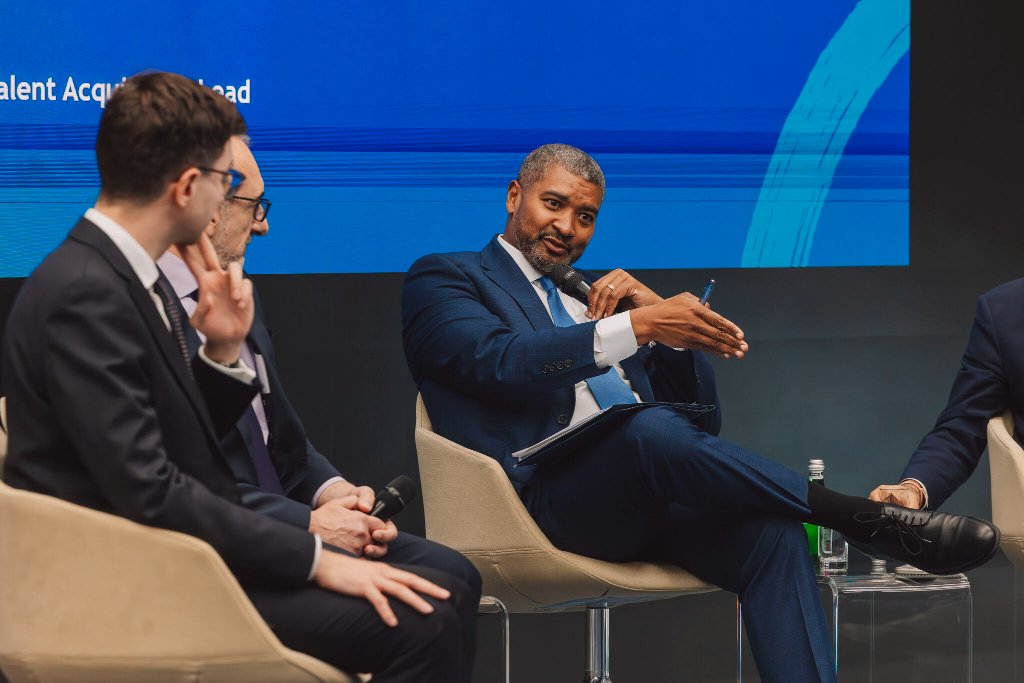
CEMBA at Warsaw Talent Day with the World Bank Group
On May 27, 2026, three CEMBA alumni and one current student attended the Warsaw Talent Day organized jointly by the World Bank Group and the Polish Ministry of Finance in Warsaw.
On May 27, 2026, three CEMBA alumni and one current student attended the Warsaw Talent Day organized jointly by the World Bank Group and the Polish Ministry of Finance in Warsaw. The event brought together students, graduates, public sector representatives, and experienced professionals interested in international development, finance, public policy, infrastructure, and sustainability.
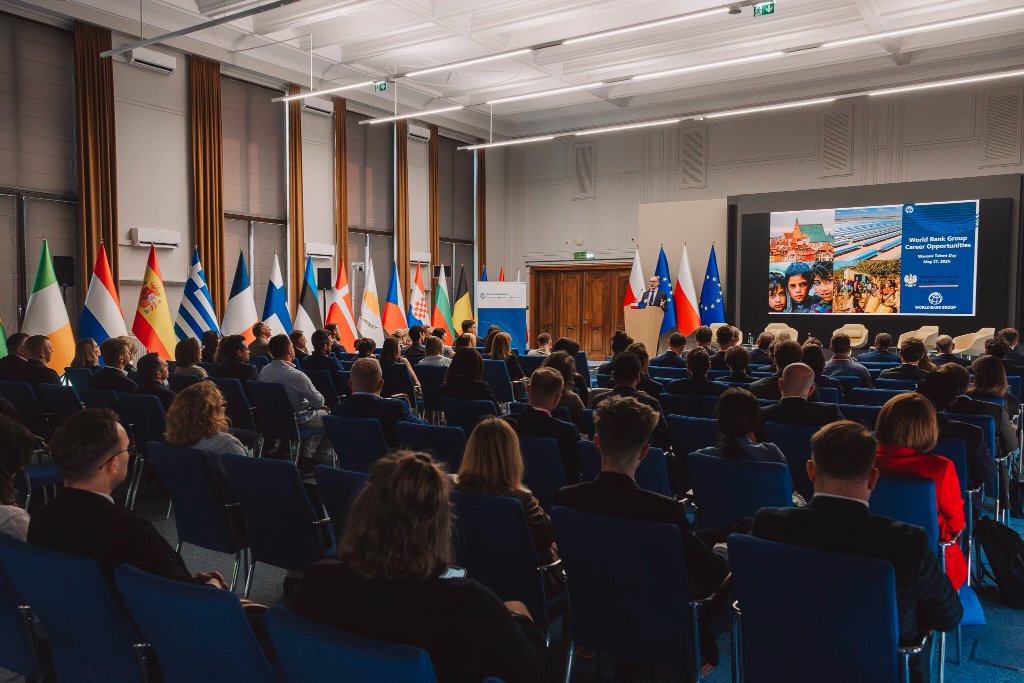
The meeting opened with remarks from World Bank Group representatives, followed by presentations on the institution's global mission, career opportunities, and talent development programs. The World Bank Group emphasized its role as one of the world's leading development institutions, operating globally and supporting projects focused on poverty reduction, economic growth, infrastructure, healthcare, education, climate resilience, and institutional reform.
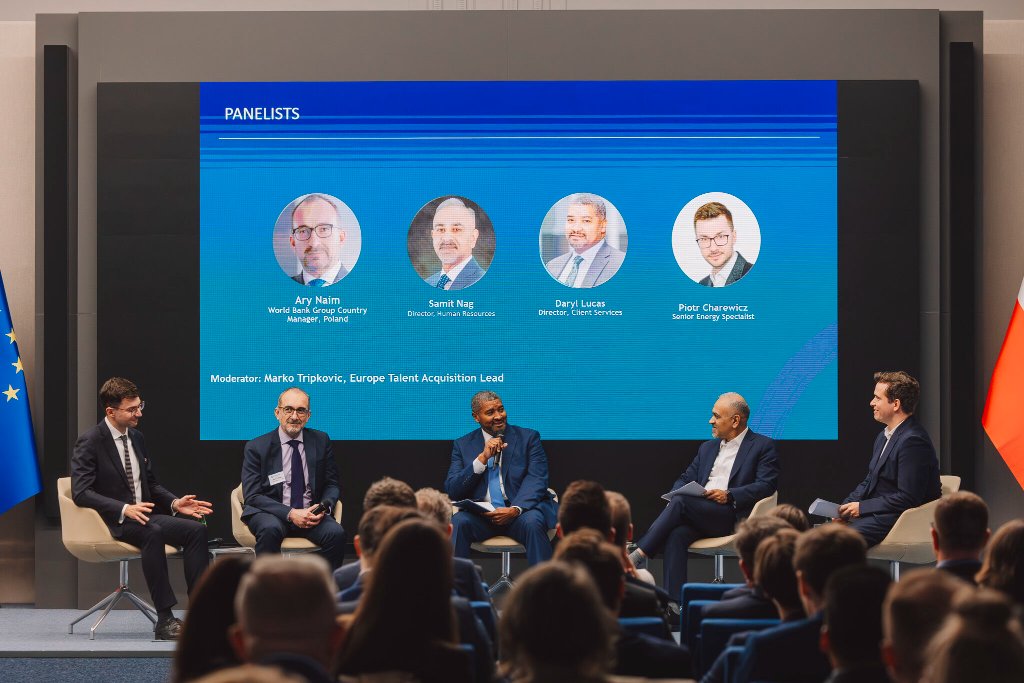
The discussion panel featured Ary Naim, World Bank Country Manager in Poland; Daryl Lucas, HR Director for Client Services; Samit Nag, HR Director, Talent Acquisition and Global Mobility; Marko Tripkovic, Europe Talent Acquisition Lead; and Piotr Charewicz, Senior Energy Specialist. Their perspectives offered participants a broad view of the World Bank Group's work, combining insights into development priorities, energy and infrastructure challenges, global mobility, recruitment, and international career pathways.
A major topic of discussion was the World Bank Group's approach to attracting international talent. Participants learned about several career pathways, including:
- the Young Professionals Program (YPP),
- consultancy opportunities,
- local and international staff appointments,
- internships and early-career programs.
The Young Professionals Program was highlighted as the World Bank Group's flagship leadership initiative for highly talented professionals interested in global development. The program combines technical assignments, international rotations, mentorship, and leadership training.
Speakers also discussed the recruitment process, which typically includes application screening, longlisting and shortlisting, assessments, interviews, and final selection procedures. Particular emphasis was placed on international mobility, interdisciplinary expertise, analytical capabilities, and a strong commitment to public impact.
During the event, and as part of the discussion panel, World Bank representatives presented the organization's values and workplace culture, emphasizing integrity, accountability, inclusion, collaboration, and urgency in addressing global challenges. The audience also gained insight into employee benefits, professional development opportunities, and the international nature of the institution's work environment. After the panel, attendees engaged in an interesting Q&A session covering a wide range of topics, from questions such as which skill set is optimal for working at the World Bank, to how the institution is responding to regional — and potentially global — demographic challenges, AI-related transformations, and the broader question of creating more and better jobs.
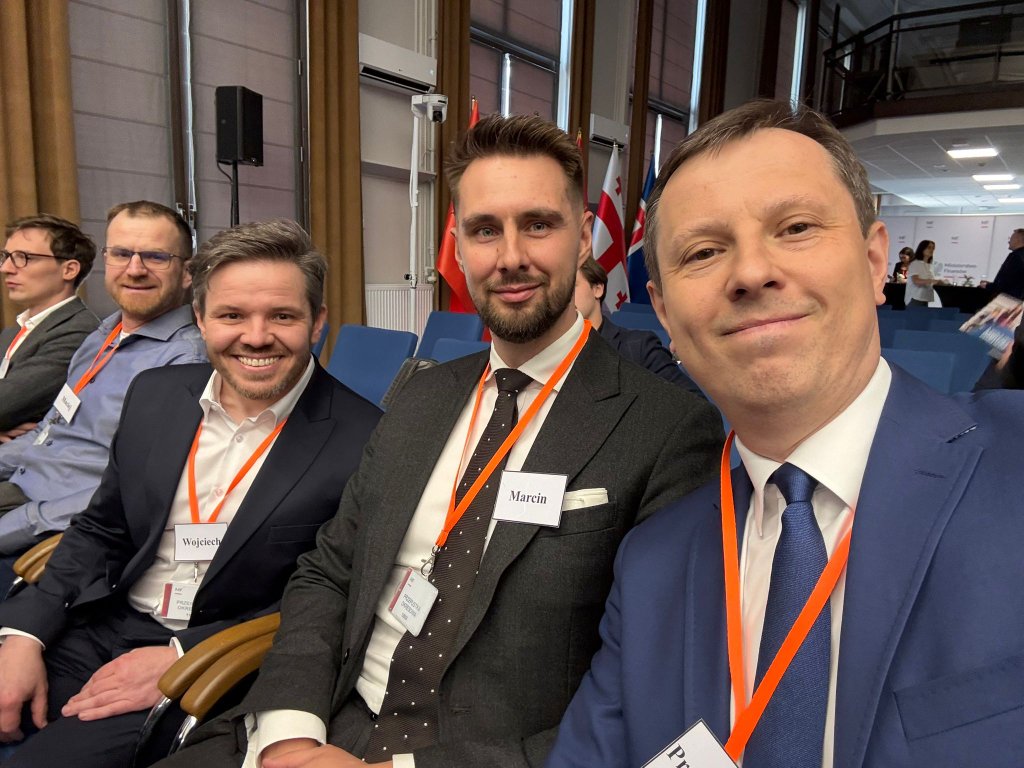
The session concluded with a networking event that enabled participants to engage directly with World Bank Group professionals and discuss careers in international finance, economic policy, infrastructure, energy transition, and development economics.
The Warsaw Talent Day demonstrated the growing cooperation between international institutions and Poland's professional and academic communities, while also highlighting the increasing importance of global development expertise in addressing today's economic and geopolitical challenges.
About the World Bank Group
The World Bank Group is one of the world's largest sources of funding and knowledge for developing countries. It comprises five institutions working together to reduce poverty, increase shared prosperity, and promote sustainable development through investments in infrastructure, education, healthcare, climate resilience, and institutional reform across the globe.